Over the past few years, the realm of vision correction has progressed rapidly, with a growing number of patients looking for alternatives to standard LASIK surgery. One method that is quickly becoming popular with both patients and eye doctors is the EVO Implantable Collamer Lens. This cutting-edge method offers a option for those who may not be suitable candidates for LASIK, particularly those with severe nearsightedness or slender corneas. As more people become curious about EVO ICL, it's crucial to explore what this procedure entails, its advantages, and how it compares to LASIK.
The EVO ICL procedure distinguishes itself not only by its results but also for the distinct benefits it provides to patients. Unlike LASIK, which reshapes the cornea, EVO ICL involves implanting a lens in the eye, permitting reversible and customizable vision correction. With the promise of enhanced visual acuity and minimal discomfort, more individuals are looking at EVO ICL as a viable option. In this complete guide, we will delve into the details of the EVO ICL procedure, discuss its benefits and risks, and help you determine if it is the right choice for your vision needs.
EVO ICL Overview
EVO ICL, or implantable collamer lens, is a popular alternative to laser eye surgery for correcting vision problems such as nearsightedness, hyperopia, and astigmatism. This treatment involves the insertion of a slim lens behind iris and in front of the natural lens of the eye, providing a fix for patients who may not be appropriate candidates for traditional laser eye surgery. As a reversible option, EVO ICL offers flexibility and potential benefits for individuals seeking improved eyesight without the dangers associated with corneal reshaping.
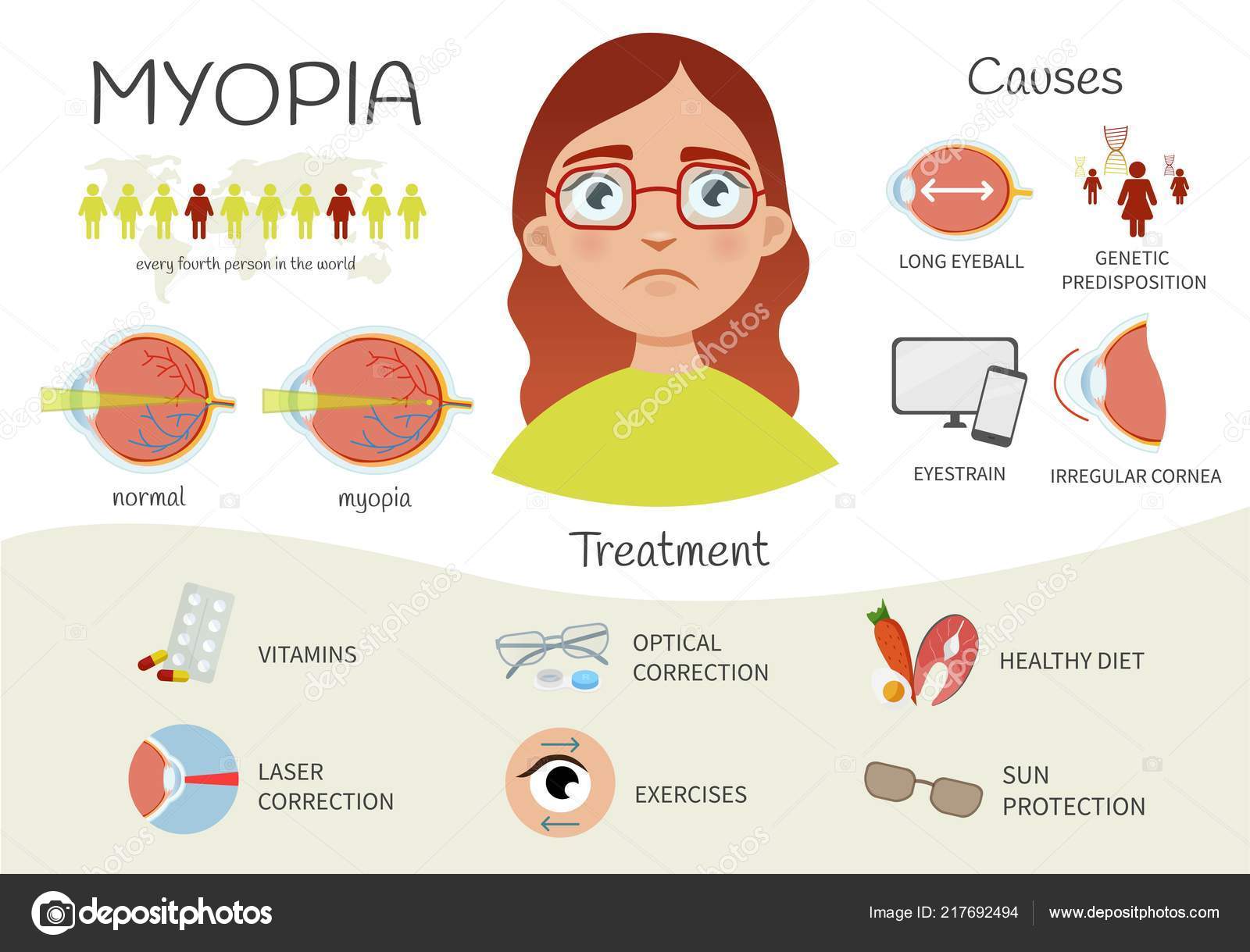
The benefits of the EVO ICL procedure include excellent visual acuity, reduced glare and halos in comparison to LASIK, and a rapid recovery time. Many patients appreciate that the EVO ICL lens can also correct higher degrees of myopia and irregular cornea than LASIK. Additionally, because the procedure does not involve changing the cornea, it preserves the eye’s natural structure, making it a sought-after choice for those worried about long-term consequences on eye health.
Nevertheless, like any surgical intervention, EVO ICL may come with possible side effects, including increased intraocular pressure and problems related to lens placement. It is crucial for patients to thoroughly examine their personal cases with a certified surgeon, ensuring they understand both the advantages and disadvantages associated with the EVO ICL procedure. The growing demand of EVO ICL reflects a heightened recognition of its advantages and the need for tailored vision correction solutions.
Procedure and Recovery
This EVO Implantable Collamer Lens procedure is a minimally invasive procedure intended to place a collamer lens within the eye, providing an substitute to laser refractive surgeries such as LASIK eye surgery. In the course of the surgery, the surgeon creates a small opening on the edge of the corneal surface and gently places the lens between the colored part of the eye and natural lens of the ocular structure. The complete procedure typically takes about 15-30 minutes for each eye and is conducted under local anesthetic, allowing for a rapid return to daily activities.
Post the surgery, patients may notice light unease, which typically disappears within a short period. Vision sharpness usually starts to improve within a 24 hours, with the majority of people achieving significant improvement in vision soon after the procedure. Post-operative aftercare includes post-operative appointments to check healing and ensure that no problems arise. The doctor may recommend eye drops to avoid infection and control swelling during the healing process.
The timeframe for recovery for EVO ICL varies among individuals, but many return to their everyday activities after a couple of days. Full adjustment of vision can take a several weeks as the eyes adapt to the new lens. Unlike laser eye surgery, which can leave some patients dealing with dry eyes, the EVO ICL procedure may be a better option for those prone to such side effects. As with https://fannie-cleopatra.blogbright.net/checking-out-the-evo-icl-trip-the-comprehensive-overview , adhering to the doctor's post-operative instructions is important for optimal results and minimizing complications.
Financial & Monetary Aspects
In the context of EVO ICL surgery, a major main elements patients evaluate is the price. The expense of the procedure can range significantly based on different factors such as the surgeon's skill, the technology utilized, and geographic area. On average, the cost of EVO ICL can be higher than LASIK, usually falling between $three thousand and $five thousand for each eye. It is important to receive a thorough breakdown of the fees involved, as this will typically encompass pre-operative consultations, the surgery itself, and post-operative follow-ups.
Payment options are available to help manage the costs associated with EVO ICL. Many clinics provide payment plans or financing through outside companies, allowing patients to spread the expense over time. Additionally, some health savings accounts (HSAs) or flexible spending accounts (FSAs) may be used to cover part of the costs. It's sensible to check about these possibilities during consultations with potential surgeons to find a solution that fits your financial means.
Coverage policies for EVO ICL can differ significantly, as it is usually considered an elective procedure. While many vision insurance plans may not cover the full of the procedure, some may extend partial benefits or allow the use of health savings funds. visit the up coming internet page should check with their insurance provider to understand their specific coverage options. Overall, understanding the financial aspect of EVO ICL surgery is important for making an wise decision about vision correction.
Individual Encounters and Effects
A lot of patients express high happiness scores post EVO ICL surgery, often citing a swift recovery of sight and mild pain. The process typically requires roughly 15 to 30 minutes for each eye, with most patients experiencing an prompt enhancement in their eyesight. https://rentry.co/hkbf8bn6 appreciate the clearness and grade of eyesight they gain, typically describing it as more focused and more vibrant when compared with their prior lives with glasses or contact prescriptions.
Rehabilitation after EVO ICL surgery is generally fast, with a good number of individuals returning to their normal lives in a couple of days or two. Follow-up visits show consistent findings, with the majority of individuals attaining 20/25 eyesight or enhanced. In testimonials found in EVO ICL accounts, a recurring theme is the discovered independence from the inconvenience of daily lens care, causing an improvement in total level of existence.
Though the procedure has demonstrated beneficial for numerous clients, a few clients do experience with aftereffects such as light rings or bright spots, especially at evening. Nonetheless, these effects are usually short-lived and diminish as the sight recover. Overall, the favorable outcomes and life-changing effect on clients' existences add to the growing popularity of EVO ICL as a dependable substitute to LASIK.